The Best Part of the Interview Happens After the Cameras Stop
Walk into any press junket in 2026 and you will see the same choreography: a star on a mark, a publicist near the door, a camera operator counting down. Then the interview ends, the lights cool, and something far more interesting begins. The green room opens its doors, the hallway fills with laughter, and a throwaway line about coffee, traffic, or a co-star's birthday becomes the clip everyone shares by dinner.
That is not a glitch in the system. It is the system now.
The Quote You Cannot Script
For years, the red carpet was the official quote factory. Everyone dressed up, everyone stopped at the same marks, and everyone delivered a version of the same answer. The green room was different. It was supposed to be the holding pen, the place where famous people waited with bad coffee and half-eaten fruit trays before being herded into the next room. But somewhere along the way, the holding pen became the main stage.
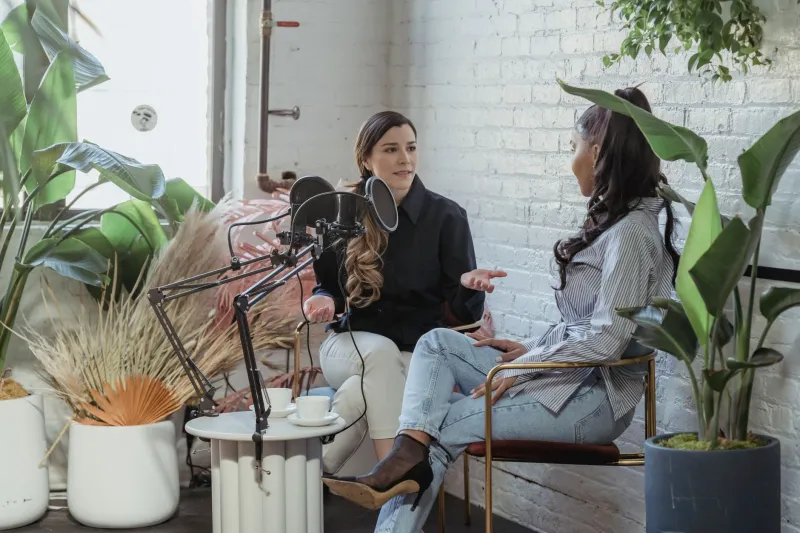
I have spent years sitting down with actors, musicians, and directors, and I can tell you that the most revealing moments rarely happen while the camera is rolling. They happen when the microphone is clipped off, when the publicist steps out to take a call, when someone asks a question that is not on the approved list. A star will lean back, drop the press voice, and say something honest about the business, the schedule, or the strange reality of being watched all the time.
Those are the lines that travel. Not because they are scandalous, but because they sound like people instead of press releases.
Why Publicists Are Loosening the Grip, Sort Of
The old rule was simple: keep the talent on message, keep the room controlled, keep the mystery intact. The new rule is messier. Publicists are not exactly handing out megaphones, but many of them are rethinking the off-record rules because the off-record stuff keeps going viral anyway.
A handler cannot confiscate every phone in a hallway. A studio cannot scrub a candid moment from a TikTok that was posted by a background actor who thought the interaction was funny. And a star who spends three hours being careful can undo all of that with one relaxed comment in a green room that feels private but is not.
The smart response has been to stop pretending the green room is a vault. Some publicists now build in what they call 'soft moments' during a press day, little windows where talent can be themselves without the full machinery of a formal interview. Others are more specific about what is fair game and what is not. The result is not chaos. It is a negotiation.
The Green Room Economy
There is a reason brands, studios, and streaming platforms have started paying attention to the spaces between the scheduled events. The green room is where chemistry gets tested. It is where a cast either clicks or does not. It is where a director tells a story that makes the rounds before the movie even opens. Those moments do more for a project than a dozen carefully worded soundbites because they feel like evidence of something real.
In 2026, that evidence is currency. A five-second clip of two co-stars laughing in a hallway can outperform a full trailer in the attention economy. A quick comment about how a scene was actually shot can become a week of online conversation. The green room is not just where celebrities wait. It is where the narrative gets written, often before the official narrative has a chance to catch up.
What This Means for the Rest of Us
The rest of us are not hosting awards-season junkets, but we are living in the same attention economy. We have all seen a meeting end and then had the real conversation start in the hallway. We have all watched a polished presentation get forgotten while a candid aside became the thing everyone remembered. The green room is a Hollywood-specific version of a very human truth: people trust the unplanned moment more than the planned one.
That is worth remembering the next time you see a celebrity clip that feels unusually loose. It is not necessarily a leak or a slip. It might be the most honest part of the day, captured because the walls between public and private have gotten thinner for everyone.
The New Rules of the Room
So what should we expect going forward? More green room content, not less. More publicists trying to shape the soft moments instead of pretending they do not exist. More stars who understand that their off-camera behavior is part of the job. And more audiences who can tell the difference between a scripted answer and a real one.
The red carpet will always have its place. It is the photograph, the gown, the practiced smile. But the conversation is happening in the green room now. And if you want to know what Hollywood is actually thinking, that is where you should be listening.