No Velvet Rope Required: How the Long-Form Sit-Down Became Hollywood's Real Power Move
The red carpet used to be the whole show. Now it's the pregame.
Walk the stretch outside any Los Angeles premiere in 2026 and you'll notice the choreography hasn't changed much — the same step-and-repeat, the same shouted questions, the same twenty-second clips destined for a social feed that scrolls past before the shutter stops clicking. What's changed is where the audience actually goes afterward. They go looking for the conversation.
The Junket Is Running on Fumes
Press tours were built for a world with fewer channels and longer attention spans. A star sits in a hotel suite, cycles through a dozen outlets, answers the same four questions, and walks out ninety minutes later having said nothing at all. Audiences have gotten very good at spotting that emptiness.
What they're rewarding instead is length. A two-hour podcast. A sprawling video essay interview. A late-night segment that quietly turns into a therapy session. Give people enough runway and something unplanned happens — a pause, a nervous laugh, a story that was never supposed to make the final cut. That's the stuff that travels.
There's a practical reason behind the shift, too. A single candid clip can outperform an entire marketing budget, and it costs a fraction of one. Studios have caught on. Publicists who once guarded the clock now build in extra time, because the viral fragment almost always comes from minute sixty, not minute six.
What the Best Formats of 2026 Get Right
The standouts this year share a few traits worth naming.
They slow down. The strongest shows resist the urge to fill silence. When a guest takes a beat to think, the camera stays. That tiny gap is where trust gets built.
They drop the desk. Conversation in a car, on a walk, over a plate of food — movement and informality strip away the performance. A guest sitting in a rental sedan is a person. A guest behind a branded desk is a brand.
They ask the follow-up. The difference between a good interview and a great one is usually the question that comes after the first answer. The best hosts in 2026 treat the first response as an opening, not a conclusion.
They let the guest be unpolished. Perfectly rehearsed anecdotes have a soundtrack. Real ones have tangents, corrections, and the occasional confession that the original story wasn't quite true.
Why Authenticity Is the Only Currency Left
Here's the uncomfortable truth for anyone building a public persona: the polished version of you is now the least interesting thing about you. Audiences have infinite options and zero patience for a press release delivered in a nice dress.
That doesn't mean oversharing. It means being specific. It means having an actual opinion and the willingness to defend it. The stars who've had the best years in 2026 aren't the ones with the biggest campaigns — they're the ones who sat down somewhere quiet and let a stranger ask them something they hadn't rehearsed.
Where I Fit In
People sometimes ask why I'd rather do one ninety-minute conversation than ten quick hits. The answer is simple: you can't get to anything real in ten minutes.
My approach has always been to treat an interview like a dinner party, not a deposition. Warm up, find the thread, and stay curious about where it leads rather than forcing it back to the talking points. Sometimes that means letting a guest talk about their dog for five minutes because that's the moment they finally relax. Sometimes it means asking the question everyone in the room is politely avoiding.
What I've learned is that audiences in the US don't tune in for polish anymore. They tune in for presence. And presence takes time.
The red carpet isn't going anywhere — it's still a great photo. But the photograph is no longer the story. The conversation is.
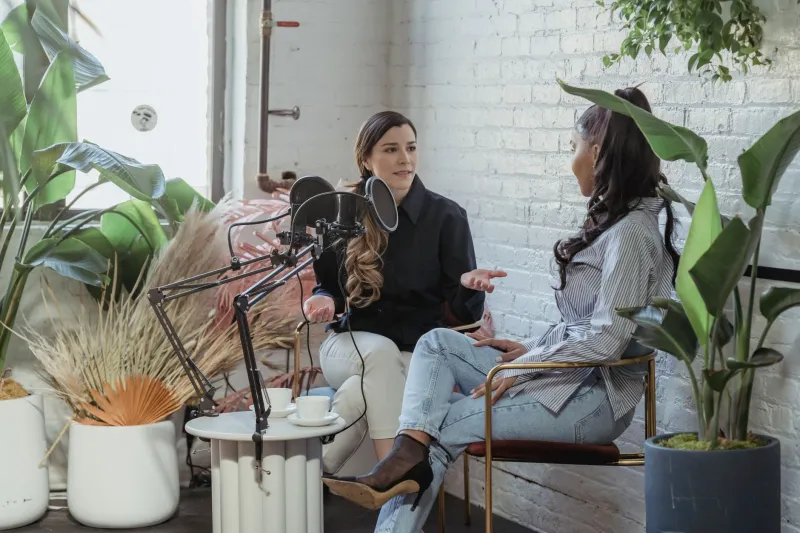
So the next time a star skips the step-and-repeat and heads straight for a quiet room with two chairs and a good microphone, don't call it a snub. Call it a strategy. It's the smartest one in town right now.