The Five-Minute Rule and Six Other Backstage Habits That Keep the Wheels On
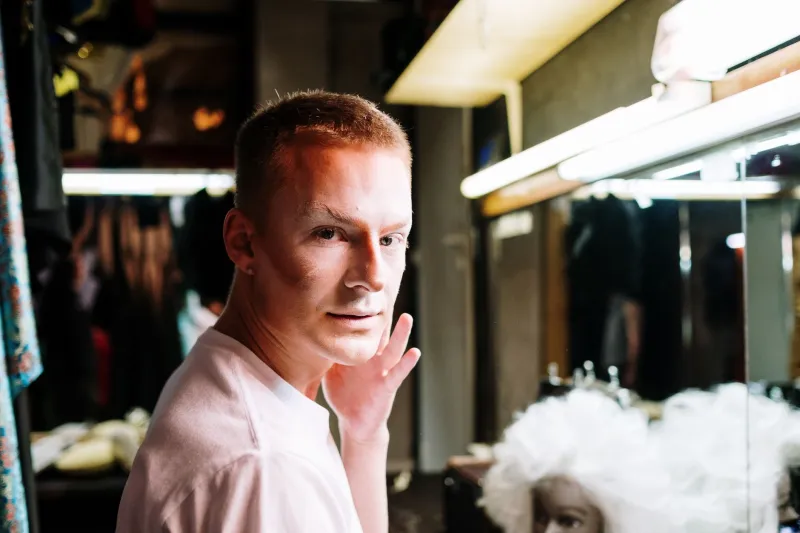
There's a particular sound a green room makes about ten minutes before showtime. Somebody pacing. Somebody humming the same four bars on a loop. Somebody digging through a bag for a lozenge they swear they packed.
I've spent a lot of evenings in that room, and I've come to believe the rituals people perform back there aren't superstition. They're engineering. Nerves are just energy with nowhere to go, and a good ritual gives it a track to run on.
Here are seven that actually work — borrowed from the people I've watched do this well, with a few notes from my own routine mixed in.
1. The Five-Minute Rule
Five minutes before you're on, stop all prep. No notes, no phone, no last-second review. Just sit.
The instinct is to cram right up until they call your name, and that instinct is almost always wrong. Cramming tells your nervous system the situation is still uncertain. Stopping tells it the work is done. Guests who give themselves that pocket of stillness walk out calmer than the ones still scrolling for a stat they won't remember anyway.
My version: phone face-down, feet flat, one slow breath for every step someone takes in the hallway.
2. Say the First Line Out Loud
Not the whole script. Just the opening. Speaking it once in the room breaks the seal, so the first words onstage don't have to survive their own debut.
A host I know does this in the bathroom mirror and says it feels ridiculous every time — and works every time.
3. Move Before You Sit
Twenty jumping jacks. A lap of the hallway. A song-long dance in the dressing room with the door shut. Nerves live in the body, so the body has to be part of the solution.
One touring comedian told me he does a full lap of whatever building he's in, no matter how big. By the time he reaches the stage door, he's out of his head and back in his legs.
4. The Specific Snack
Not a meal. A specific, tiny, boring snack, eaten at the same time every time. Half a banana. A plain cracker. Warm water with lemon.
The trick is the predictability, not the nutrition. Your body learns the sequence — snack, then spotlights — and starts settling before your brain catches up.
5. Give Your Hands a Job
An empty hand is a nervous hand. A ring to twist, a pick to click, a mug to hold, a pen to click once and put away. Small, contained, quiet motion gives fidgeting a direction.
I keep a smooth stone in my jacket pocket for interviews that matter. Nobody has ever noticed it. I notice it constantly.
6. Name the Worst Case
Spend sixty seconds actually imagining the disaster. Flubbed line. Dead silence. Blank stare from a guest. Whatever it is.
Then notice you're still standing there. Nerves thrive on vagueness — the undefined dread is always bigger than the defined one. Say the fear out loud to a colleague and it shrinks to the size of a thing you could handle.
7. Hand Off the Pressure
Right before you go, find one person backstage and say something encouraging to them. A compliment for the makeup artist. A thank-you to the stage manager. A quick joke with the intern holding the door.
Pressure gets lighter when it moves. And you walk out having just made somebody's evening slightly better, which is a decent reason to be onstage in the first place.
The Point of All of It
None of these rituals will make you fearless. That's not the goal, and honestly, a completely fearless performer is usually a boring one. The goal is to be nervous and functional at the same time.
So pick one. Try it twice. Keep the one that makes the ten minutes before showtime feel a little less like a countdown and a little more like preparation. The lights come up either way — might as well walk into them with steady hands.