Two Invitations, Two Verdicts: Hollywood’s Thanksgiving Double Header
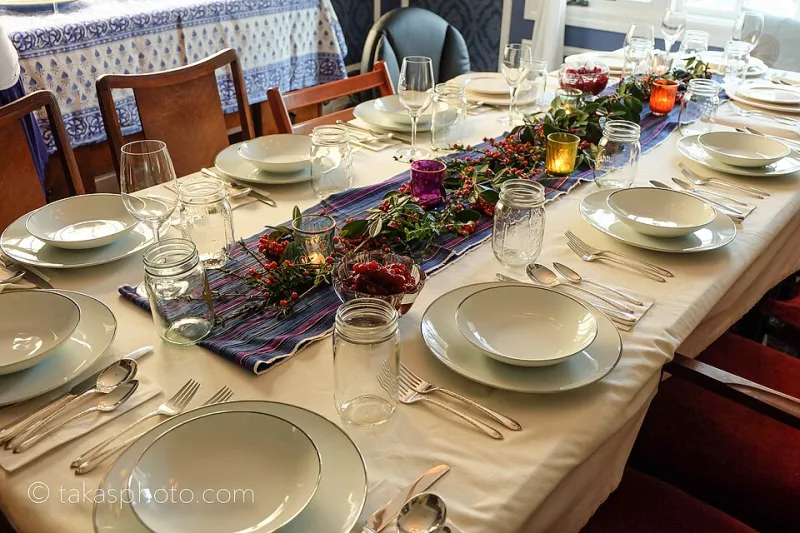
Photo: takasphoto.com, CC BY-SA 2.0, via Wikimedia Commons
Every November, Hollywood gets two opening nights. The first is loud, rented, and photographed from six angles. The second is quieter, older, and much harder to fake. One is Friendsgiving. The other is Thanksgiving. And in 2026, the distance between them says more about a person’s place in the business than any agency roster or IMDb credit ever could.
I’ve been thinking about this because the invitations have started to sort themselves. Not the paper kind—the group-chat kind. The “we’re doing something small” text that arrives three weeks out. The “you’re obviously with us” message that arrives so late it feels casual, even though it isn’t. The holiday season has quietly developed two tiers, and the guest list is the tell.
The Tuesday-Night Test
Friendsgiving is usually a weeknight thing. It’s a potluck with a theme, a backyard with string lights, a table that seats fourteen but somehow holds twenty-two. It’s designed to be flexible. That flexibility is the point. You can bring someone. You can leave early. You can post about it. You can also skip it and no one’s grandmother will hear about it.
That’s why it works as an audition. Friendsgiving is where Hollywood tries people on. Can you handle a mixed room? Are you a good guest? Do you bring something useful—a bottle, a dessert, a story that lands without landing on anyone? Do you help clean up without being asked? The stakes are low enough to be honest and high enough to be noticed.
Thanksgiving is different. Thanksgiving is an institution. It has a fixed day, a fixed table, and a memory. People remember who was there. They remember who wasn’t. They remember who left early and who stayed for the second slice of pie and the third round of family gossip. Friendsgiving is a callback. Thanksgiving is a contract.
What the Food Is Really Saying
At Friendsgiving, the food is a conversation starter. A store-bought pie is fine. A clever appetizer is better. A dish with a story—“my grandmother’s recipe, but I burned the first batch”—is best. The meal is meant to be discussed. It’s a social prop.
At Thanksgiving, the food is a language. The same dishes show up because they’re supposed to. Someone’s mac and cheese. Someone’s cranberry thing. The one cousin who insists on a turducken and is politely ignored. The menu isn’t trying to impress you. It’s trying to remind you who you are. That’s a much harder room to enter.
This is why the two-table social map matters. Being invited to Friendsgiving means you’re in the mix. Being invited to Thanksgiving means you’re in the family—chosen or otherwise. One is a warm introduction. The other is a long-term bet.
The Camera Question
Here’s where 2026 gets interesting. Friendsgiving is camera-ready by design. The table is styled. The lighting is considered. The group photo happens before the food gets cold. There’s a good chance the host has a playlist and a designated phone-free zone that lasts exactly twelve minutes. The content is part of the event.
Thanksgiving is not camera-ready. Or rather, it’s camera-resistant. The photos are blurry. Someone’s eyes are closed. The table is crowded and the plates don’t match. That’s the point. The lack of production is the proof of intimacy. You don’t get the good angle because you’re not there for the angle.
That distinction has become a brand-building tool. A public Friendsgiving says: I have community, I have taste, I can host. A private Thanksgiving says: I have roots, I have obligations, I have a life that doesn’t need your approval. Both are useful. Only one is earned.
The Guest List Math
Friendsgiving guest lists are built for expansion. You invite the new co-star, the writer you just met, the friend who’s in town for a press tour. It’s a networking event with gravy. Thanksgiving guest lists are built for contraction. You invite the people you’d call at 2 a.m. The people who’ve seen you without the filter. The people who knew you before the deal.
That’s why the calendar split matters. Friendsgiving happens early enough to course-correct. Thanksgiving happens late enough to commit. One is a test run. The other is a verdict.
And in Hollywood, verdicts are currency. People will talk about who hosted Friendsgiving, but they’ll remember who hosted Thanksgiving. They’ll remember who showed up. They’ll remember who was missed. The quiet table is the one with the longer memory.
Why Two Tables Work
I don’t think the two-tier holiday is a bad thing. It’s actually a pretty honest system. Friendsgiving gives people room to build relationships without the weight of tradition. Thanksgiving gives those relationships somewhere to land. The first is a warm-up. The second is the real thing.
What’s changed is how consciously people are playing it. In 2026, the guest list is a strategy. The invitation is a signal. The table is a statement. And the smartest people in the room aren’t treating Friendsgiving as a consolation prize. They’re treating it as a rehearsal—and Thanksgiving as the opening night that actually counts.
So when the texts start flying this month, pay attention. Not to who’s hosting the biggest Friendsgiving. To who’s keeping Thanksgiving small. That’s where the real guest list lives.