The Second Look Is the Story: Inside Hollywood's After-Party Wardrobe Switch
The red carpet is the appetizer. The after-party is where the real wardrobe storytelling begins.
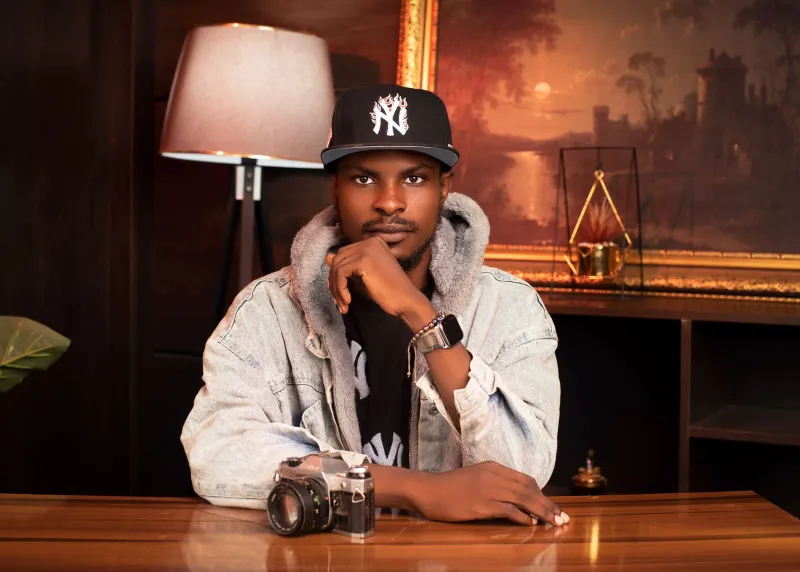
You see it every awards season: a star arrives in a sculpted gown or a razor-sharp tux, poses for the wall of photographers, does the careful turn, and disappears into the venue. Two hours later, the same person reappears in a completely different register — vintage jeans, a broken-in tee, a team hoodie, maybe a baseball cap pulled down just enough to be noticed without looking staged. The cameras catch it. The internet catches it faster.
That second look is not a wardrobe malfunction or a lazy exit strategy. In 2026, it is one of the most deliberate moves in celebrity image-making.
The gown goes in the bag
The first outfit is for the event. The second outfit is for the narrative.
A formal look says, 'I am here for the ceremony.' An off-duty look says, 'I am also a person who exists after the ceremony.' That shift matters. Fans have spent years watching highly produced red-carpet moments, and the appetite for something that feels unpolished has only grown. The after-party look gives them exactly that — or at least the convincing illusion of it.
This is why stylists now plan second looks with the same care as first ones. The goal is not to look like you stopped trying. The goal is to look like you stopped trying at precisely the right moment, in precisely the right lighting, with precisely the right amount of skin and logo exposure.
Why the switch happens
There are practical reasons. Gowns are heavy. Heels hurt. A tuxedo jacket can only survive so many hours of hugging and hovering near catering trays. But practicality is only part of the story. The after-party change is also a control move.
When a celebrity changes clothes, they reset the frame. The formal photos are done. The next images are softer, more intimate, more 'caught in the wild.' A vintage denim jacket and a plain white tee can read as authenticity. A team hoodie can read as hometown loyalty. An accidentally-on-purpose baseball cap can read as, 'Please do not make this a thing,' which, of course, makes it a thing.
That is the trick. The second look is designed to feel like it escaped the stylist's clipboard. It rarely does.
The off-duty market is watching
There is money in this. A lot of it.
The market for off-duty celebrity style has become its own ecosystem. Brands want the paparazzi shot, not just the red-carpet placement. A single photo of a star leaving a party in jeans and a cashmere hoodie can move more product than a full-page ad, because it feels like evidence rather than advertising. Fans screenshot it, tag it, and ask where to buy it. Resale sites light up. Dupes appear before the after-party is even over.
In 2026, that cycle is faster than ever. The after-party look is not just fashion. It is content, commerce, and character development in one outfit.
What the second look is really saying
Here is the part that gets lost in the outfit breakdowns: the second look is a negotiation with the public. It says, 'You saw the polished version. Now here is the relaxed version.' It offers a glimpse of the person behind the production without ever fully giving the person away.
That is why the best second looks feel effortless and slightly incomplete. A wrinkled sleeve. A ponytail that has given up. Sneakers instead of heels. The message is not 'I am off duty.' The message is 'I am off duty, but I know you are watching.'
And in 2026, that is the whole point. The cameras do not stop at the red carpet anymore. The after-party is part of the show. The second look is the story. The only question is how long it will take for everyone to start planning the third.